






The Power of Commercial Interiors in London
Contents |
[edit] Introduction
In the bustling metropolis of London, where businesses compete for attention on a global scale, the significance of commercial interiors cannot be overstated. A well-designed commercial space goes beyond aesthetics; it's a strategic tool that can influence employee productivity, client perception, and overall success. This article will delve into the world of commercial interiors in London, exploring the latest trends, key elements of success, the role of professional designers, and even some inspiring case studies.
[edit] The Significance of Commercial Interiors
- Commercial interiors are more than just a pretty facade; they are an integral part of a company's identity.
- Employee productivity is closely linked to the workspace environment, making interior design a crucial factor.
- Aesthetically pleasing interiors can attract clients and customers, setting a business apart from the competition.
[edit] Trends in Commercial Interior Design in London
London is renowned for its dynamic and ever-evolving design landscape, and the commercial interior design sector is no exception. From corporate offices to retail spaces and hospitality establishments, here are some of the notable trends shaping the commercial interior design scene in this vibrant city:
- Eclectic Fusion of Styles: London's eclectic mix of cultures and historical influences is reflected in its interior design trends. Contemporary spaces often incorporate a fusion of styles, blending the old with the new, and marrying classic elegance with modern minimalism. This approach creates visually captivating and unique interiors that pay homage to the city's rich heritage.
- Industrial Chic: The industrial-chic aesthetic continues to be a favourite in London's commercial spaces. Exposed brick walls, raw steel beams, and reclaimed wood are often used to create a sense of urban sophistication. This trend is especially popular in converted warehouses and co-working spaces.
- Sustainability and Eco-Friendly Design: Londoners are increasingly environmentally conscious, and this mindset has permeated the interior design realm. Businesses are opting for sustainable materials, energy-efficient lighting, and eco-friendly furniture. Green walls and indoor plants are also being integrated to improve air quality and create a more inviting atmosphere.
- Biophilic Design: In a bustling urban environment like London, the need to connect with nature is driving the adoption of biophilic design principles. This involves incorporating natural elements like wood, stone, and water features into interiors. Living walls, large windows that offer views of greenery, and the use of natural light are all part of this trend.
- Technology Integration: London is a hub of technological innovation, and this is reflected in its commercial interiors. Smart offices are on the rise, with automation systems controlling lighting, climate, and security. Touchless technology and IoT devices are becoming standard features in many modern workspaces.
- Flexible Workspaces: The concept of flexible workspaces, driven in part by the rise of remote work, has gained significant traction in London. Offices are being designed to accommodate various work styles, with modular furniture, movable partitions, and collaborative zones. Co-working spaces are flourishing as businesses seek more agile solutions.
- Bold Colour Schemes: While minimalist and neutral colour palettes remain popular, there's a growing trend towards using bold and vibrant colours as statement pieces. These colours can be found in furniture, accent walls, and artwork, injecting energy and personality into commercial interiors.
- Artistic Expression: London's artistic spirit is evident in its commercial interiors, where art installations, sculptures, and bespoke artwork play a central role in creating a unique atmosphere. Businesses are increasingly collaborating with local artists to infuse creativity into their spaces.
These trends are a testament to London's dynamic and diverse design scene. Whether you're looking to revamp your office, open a new store, or create an inviting restaurant, staying attuned to these trends can help you make informed design choices that align with the city's ever-evolving aesthetic sensibilities.
[edit] Key Elements of Successful Commercial Interiors
- Layout and Spatial Planning: Efficient use of space for functionality and flow.
- Lighting and Colour Schemes: Creating the right ambience and mood.
- Furniture and Decor: Selecting pieces that align with the brand and purpose of the space.
[edit] Related articles on Designing Buildings
- Commercial.
- Commercial building.
- Commercial Litigation.
- Commercial manager.
- Commercial property.
- Commercial risk.
- Commercial style.
- Commercial waste.
- Contract.
- Design for deconstruction, office building.
- Fit for office use.
- Fit out of buildings.
- Framework.
- Office design and data privacy.
- Office environment design ideas.
- Portfolio.
- Procurement.
- Tender.
- Value.
Featured articles
Check out some of the best features and news from Designing Buildings as well as key stories from around the web.

Why construction can't afford to ignore the skills gap.
Building Safety Regulator, 19 August

Gill Kernick appointed Independent Chair of Residents’ Panel.
Connecting knowledge, technology and conservation
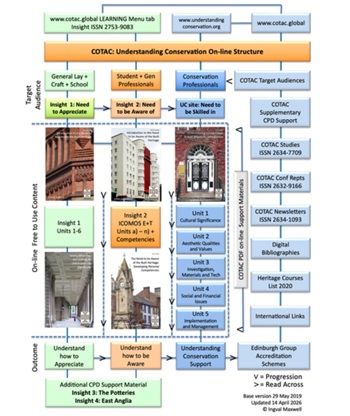
Building competence for the future of built heritage.
Building Regulations and Building Safety Act

CIOB publishes free advice for non-domestic clients.

Building Safety Newsletter from MHCLG.
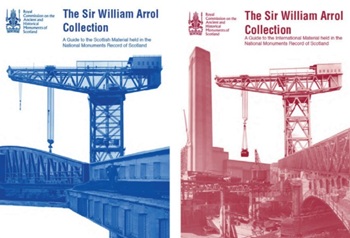
An extraordinary record of steel engineering worldwide.

Households living near new pylons to save on bills.

ECA warns growth must not outpace grid capacity or skills.
The role of the client and decision making

CIOB response to built environment professions call for evidence.
Construction's sustainability reporting revolution

Tracking upfront embodied carbon with digital tools.
ECA welcomes procurement reforms

Public spending must back British jobs and skills.
Campaigning for Edinburgh: the Cockburn Association 1875-2049

The role of the civic voice in protecting character. Book review.